
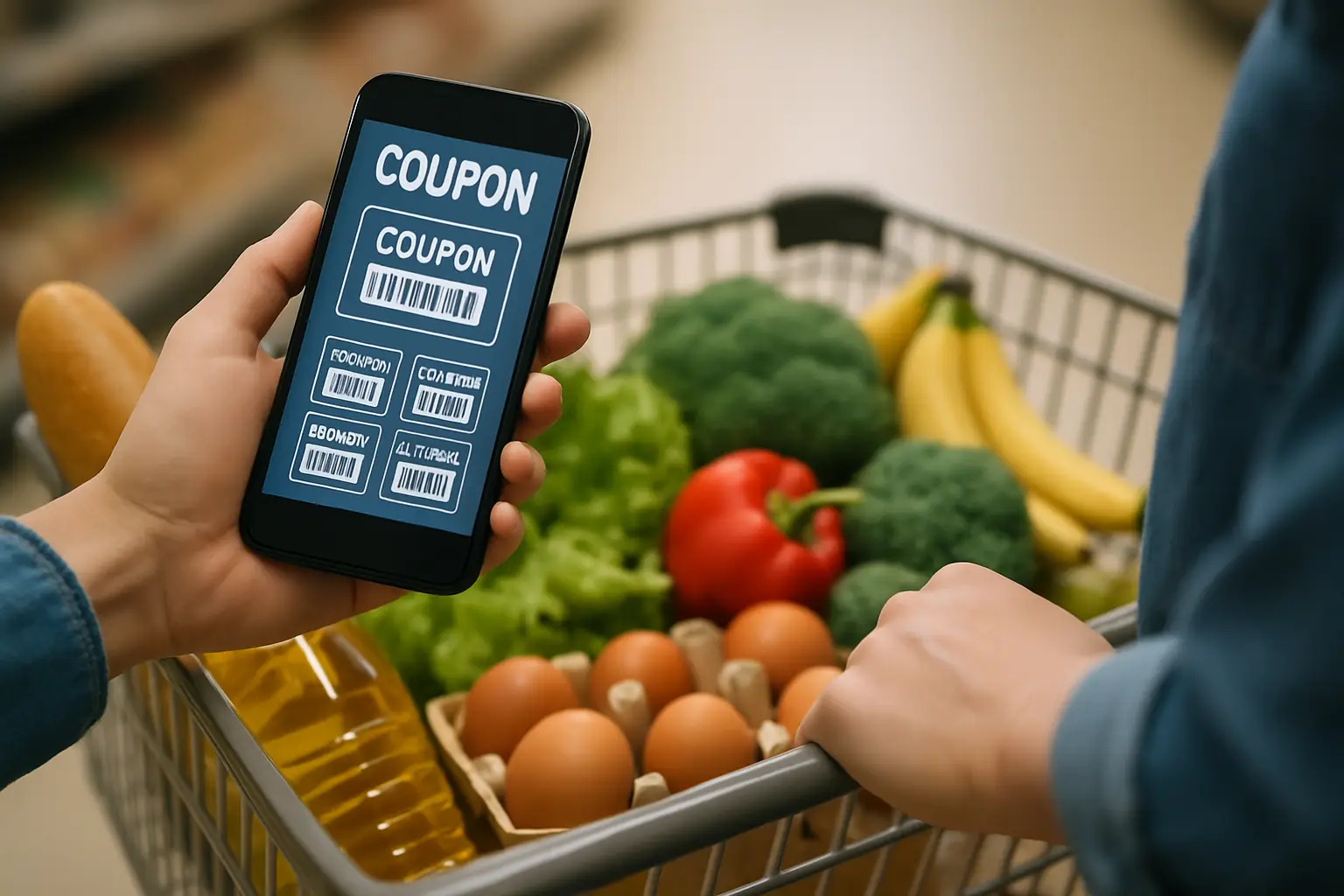
You know that moment when you add “just the basics” to your cart and the total still feels rude? Groceries do that. The good news is the best grocery coupon deals online are not a mystery – they’re a repeatable system. Once you know where the discounts actually hide (and how they stack), you can turn weekly shopping into a steady stream of price drops instead of a budget ambush.
Where the best grocery coupon deals online actually come from
Most people think “online coupons” means a single promo code at checkout. Sometimes it does. But the biggest savings usually show up when multiple discount types overlap.
First, there are store-issued digital coupons. These are the clip-to-card offers you load inside a retailer’s app or account. They often apply automatically once you meet the terms (buy 2, save $2; $10 off $50; 20% off one item). They’re reliable, but the best ones tend to have limits and shorter windows.
Then you’ve got manufacturer coupons in digital form. These look similar, but they’re funded by brands, which is why you’ll see them across multiple stores. They can be incredible for name-brand staples like cereal, yogurt, detergent, and baby items.
Third is the “hidden” category: instant markdowns, short-lived promos, and occasional pricing mistakes. These are the blink-and-you-miss-it opportunities where the price drops hard before anyone corrects it. If you love the thrill of the deal, this is the fun part – but it’s also the least predictable, so you plan your basics around dependable coupons and let glitches be your bonus.
Finally, rebate apps and loyalty rewards tie it all together. A rebate doesn’t reduce the price at checkout, but it can make a good deal unbeatable once the cash back posts.
The deal stack that turns good prices into amazing prices
If you want savings you can feel, you’re usually aiming for a “stack” – not a single discount.
A common stack looks like this: a store digital coupon plus a sale price plus a rebate. Sometimes you can add a targeted offer (like “spend $40, get $10 back”) or a loyalty perk that boosts the return. Not every store allows every combination, and some coupons won’t stack with other promos. That’s the trade-off: the more powerful the stack, the more you need to read the fine print.
It also depends on what you’re buying. Pantry items and household essentials are the easiest to stack because they’re heavily promoted. Fresh meat and produce can be tougher, but you can still win with store promos, seasonal discounts, and rebates when available.
Timing matters more than people think
Online grocery deals move in cycles. New weekly ads drop, digital coupons refresh, and brands rotate promotions.
If you shop the day a new ad starts, you often get first shot at limited-quantity deals and the best in-stock options for delivery or pickup. If you shop near the end of the promo window, you sometimes catch deeper markdowns – but you risk items selling out or substitutions ruining the plan. For families who need predictability, earlier is usually better. For bargain hunters who can flex, late-week can pay off.
Best places to find grocery coupons online (without wasting hours)
You do not need 12 tabs open and a spreadsheet to save real money. You need a tight routine and a few reliable sources.
Retailer apps and accounts are the foundation. If you shop a store more than twice a month, it’s worth having their app set up with your loyalty number, clipped coupons, and saved favorites. The reason is simple: some of the best offers are personalized, and they won’t show up for you until you’re logged in.
Rebate apps are the second layer. Think of them as post-purchase discounts that can stack on top of store deals. The best strategy is to check rebates for the items you already buy, not to chase random offers that create clutter in your pantry. Rebates shine on snacks, drinks, cereal, frozen meals, and personal care – basically the categories that brands love to promote.
Email and text offers are underrated. Many grocery and big-box accounts send “one-day only” codes, cart offers, or free pickup promos. Yes, it’s marketing. But if you treat it like a coupon feed instead of noise, it becomes a steady source of extra savings.
And for shoppers who want one place to monitor fast-moving discounts across categories (including groceries), a deal hub can save serious time. That’s exactly why people use Price Glitches Online – quick scanning, clear price comparisons, and a constant stream of fresh finds.
How to spot the truly best grocery coupon deals online (and skip the fake “deal”)
A deal is only a deal if the price is actually low and the item is something you’ll use. Online grocery shopping is full of “was $9.99, now $7.99” labels that look exciting until you check typical pricing.
Start by focusing on price per unit. For paper products, that’s price per sheet or per roll. For pantry items, price per ounce or per count. For meat, price per pound. This is how you avoid paying more for a smaller package that happens to have a coupon attached.
Next, watch for quantity tricks. A coupon might require buying four items, which is great if it’s pasta sauce you’ll burn through, and not so great if it’s a new flavor of protein bar no one in your house likes.
Also be careful with “subscription” discounts for groceries and household items. Subscribe-and-save style programs can deliver excellent prices, but only if you manage them. The trade-off is forgetting to cancel and getting stuck with duplicates. The win is setting reminders, spacing shipments, and using subscriptions only for items you’d buy on autopilot anyway.
Grocery categories where online coupons hit hardest
Some categories get consistently better online coupon coverage than others. If you’re trying to stretch a budget fast, start where the promo money is.
Packaged snacks, cereal, and beverages are coupon magnets. Brands compete here, so you’ll often see digital coupons plus rebates at the same time.
Household essentials are another sweet spot: detergent, dish soap, paper towels, toilet paper, trash bags. These items can look pricey, but the coupon cycles can be generous, and the stock-up potential is real.
Baby and personal care is where you can see huge swings. Diapers, wipes, formula (when discounted), shampoo, toothpaste, and skincare often get targeted offers. It depends on your account history and timing, but when the promos align, the percentage-off can be shocking.
Frozen foods can be excellent for stacking because brands run frequent promotions and stores use them as traffic drivers. If you need easy dinners, this is a smart category to watch.
Fresh categories vary. Produce is usually more about seasonal pricing and store promos than manufacturer coupons. Meat and seafood can be good when stores run digital “manager special” style deals, but availability can be inconsistent for delivery.
A simple weekly routine to keep savings on autopilot
The easiest way to win is to build a repeatable rhythm.
Pick one primary store for your core weekly haul, then one backup store for specific price wins. When you split across too many places, you lose time and often pay extra in fees or minimums.
Before you build your cart, clip digital coupons inside the retailer app and check your rebate offers. Then shop your list by category, not by cravings. Add your true staples first (milk, eggs, rice, beans, frozen vegetables), and treat the coupon items as add-ons only if the final price is right.
If you’re doing pickup or delivery, pay attention to substitutions. A coupon might apply to a specific size or flavor, and a substitution can kill the discount. Some weeks, it’s worth selecting “no substitutions” on coupon-dependent items so you don’t get stuck paying full price.
Finally, set one stock-up rule. For example: if a household essential hits your target price, buy enough for 4-8 weeks. That single habit is how you stop paying “panic prices” when you run out.
Common mistakes that quietly drain your grocery budget
The biggest budget leaks are rarely obvious.
One is overbuying to “earn” a coupon. If you spend $20 extra to save $5, that’s not savings. It’s a discount-shaped impulse.
Another is ignoring fees and minimums. Online grocery can add pickup fees, delivery fees, service charges, and tip expectations. Those costs can wipe out coupon gains. The trade-off is convenience, so the smart play is to use delivery when you truly need it and use pickup when you’re trying to maximize savings.
A third is buying new-to-you products just because the percentage-off looks huge. High discounts can be legit, but your pantry is not a museum of “stuff I got cheap.” The best grocery coupon deals online are the ones that reduce what you already spend.
When it’s worth chasing price glitches vs. sticking to coupons
Price glitches and surprise markdowns can be amazing – sometimes the best deal of your month. But they’re not a plan you can rely on for essentials like diapers tomorrow morning.
If you’re shopping for pantry basics, build your savings around digital coupons, weekly promos, and rebates. If you’re shopping for extras or restocking non-urgent items, that’s where you can chase the wild deals without stress. The “it depends” here is your household: big families benefit from predictable stock-ups, while flexible shoppers can play the last-minute game more often.
Happy bargain hunting – and next time your cart total drops in a way that feels almost unfair, take the win and keep the routine. That’s how grocery savings stops being a one-time victory and becomes your new normal.